[1] H. Zhang, M. Huang, and J. Wang, “Evolving Collective Cognition in Human–Agent Hybrid Societies: How Agents Form Stances and Boundaries,” npj Artificial Intelligence (Nature sub-journal, Under Review), 2025.
[2] H. Zhang, J. Yin, M. Jiang, and C. Su, “Can Agents Spontaneously Form a Society? Introducing a Novel Architecture for Generative Multi-Agent to Elicit Social Emergence,” in Adjunct Proceedings of the 37th Annual ACM Symposium on User Interface Software and Technology (UIST) (CCF A), 2025.
[3] H. Zhang, J. Yin, H. Wang, and Z. Xiang, “Simulating Phenomenal Consciousness Using Generative Agents Based on Large Language Models,” Applied Soft Computing (JCR Q1), vol. 185, 113922, 2025.
[4] H. Zhang, Z. Xiang, and J. Yin, “Social Intimacy and Skewed Love: A Study of the Attachment Relationship between Internet Group Users and a Digital Human,” Computers in Human Behavior: Artificial Humans (JCR Q1 TOP Sub-Journal), 2023.
[5] H. Zhang, B. Duan, H. Wang, Z. Qiao, and J. Yin, “The Tribal Theater Model: Social Regulation for Dynamic User Adaptation in Virtual Interactive Environments,” Cognition, Technology & Work (JCR Q2), vol. 27, 487–501, 2025.
[6] H. Zhang, Z. Qiao, H. Wang, B. Duan, and J. Yin, “VCounselor: A Psychological Intervention Chat Agent Based on a Knowledge-Enhanced Large Language Model,” Multimedia Systems (JCR Q2), vol. 30 (6), 363, 2024.
[7] H. Zhang, J. Yin, and H. Wang, “A Needs Learning Algorithm Applied to Stable Gait Generation of Quadruped Robot,” Sensors (JCR Q2), vol. 22(19), 2022.
[8] H. Zhang, X. Zhang, X. Zhang, H. Dong, and X. Li, “A Study on the Factors Influencing the Teaching Effect of Moral and Social Courses in Primary Schools,” International Journal of Information and Communication Technology Education (JCR Q2), vol. 18(2), 2022.
[9] H. Zhang, J. Yin, and X. Zhang, “The Study of a Five-Dimensional Emotional Model for Facial Emotion Recognition,” Mobile Information Systems (JCR Q4), vol. 2020, 2020.
|
We propose a computational multi-agent society experiment framework that integrates generative agent-based modeling with virtual ethnographic methods to investigate how group stance differentiation and social boundary formation emerge in human–Agent hybrid societies. Across three studies, we find that agents exhibit endogenous stances, independent of their preset identities, and display distinct tonal preferences and response patterns to different discourse strategies. Furthermore, through language interaction, agents actively dismantle existing identity-based power structures and reconstruct self-organized community boundaries based on these stances. Our findings suggest that preset identities do not rigidly determine the agents’ social structures. |
|
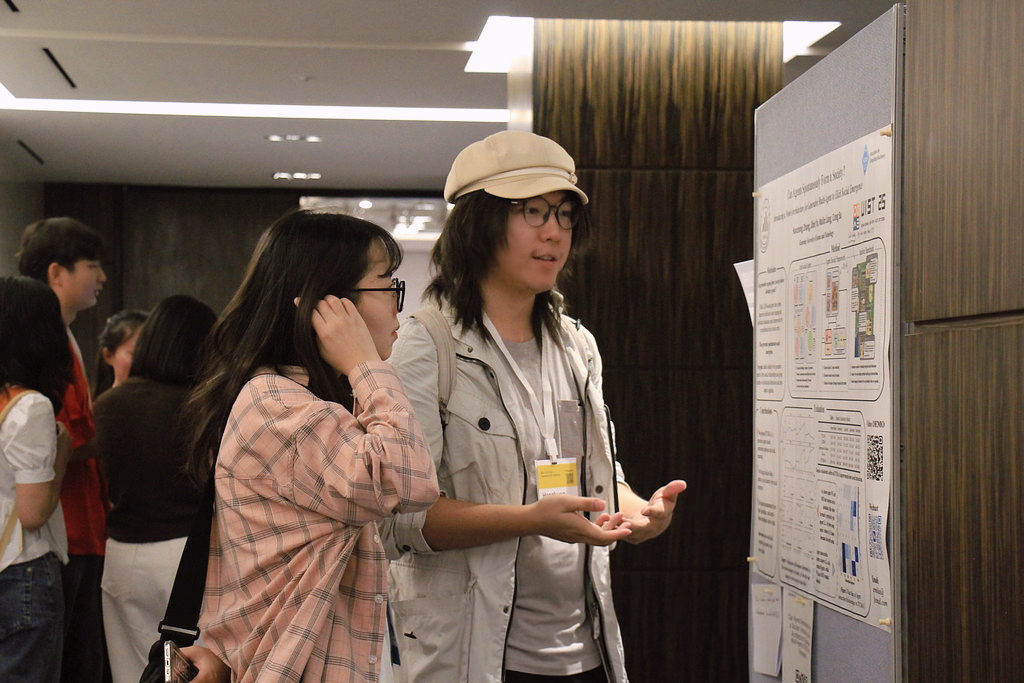
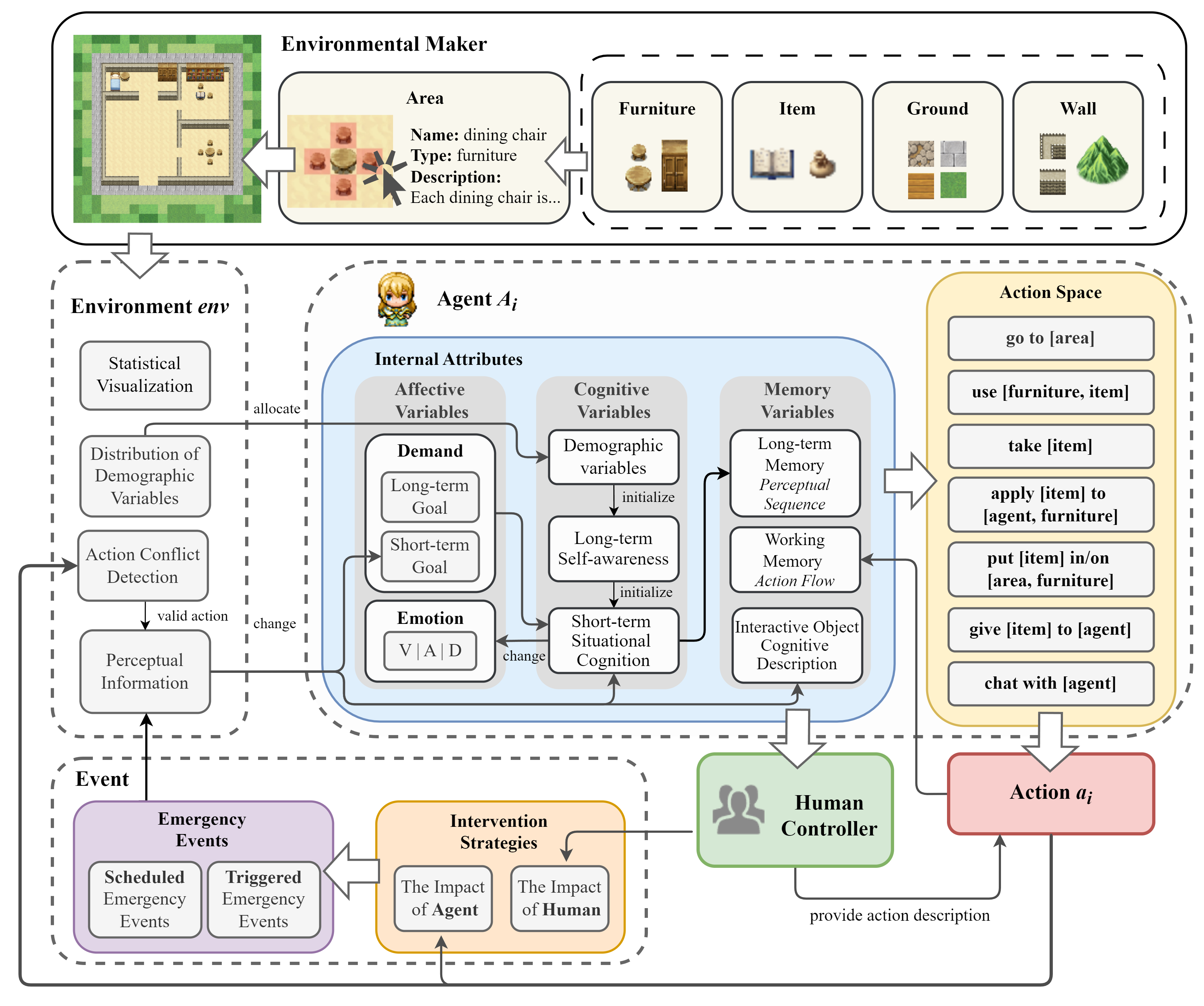
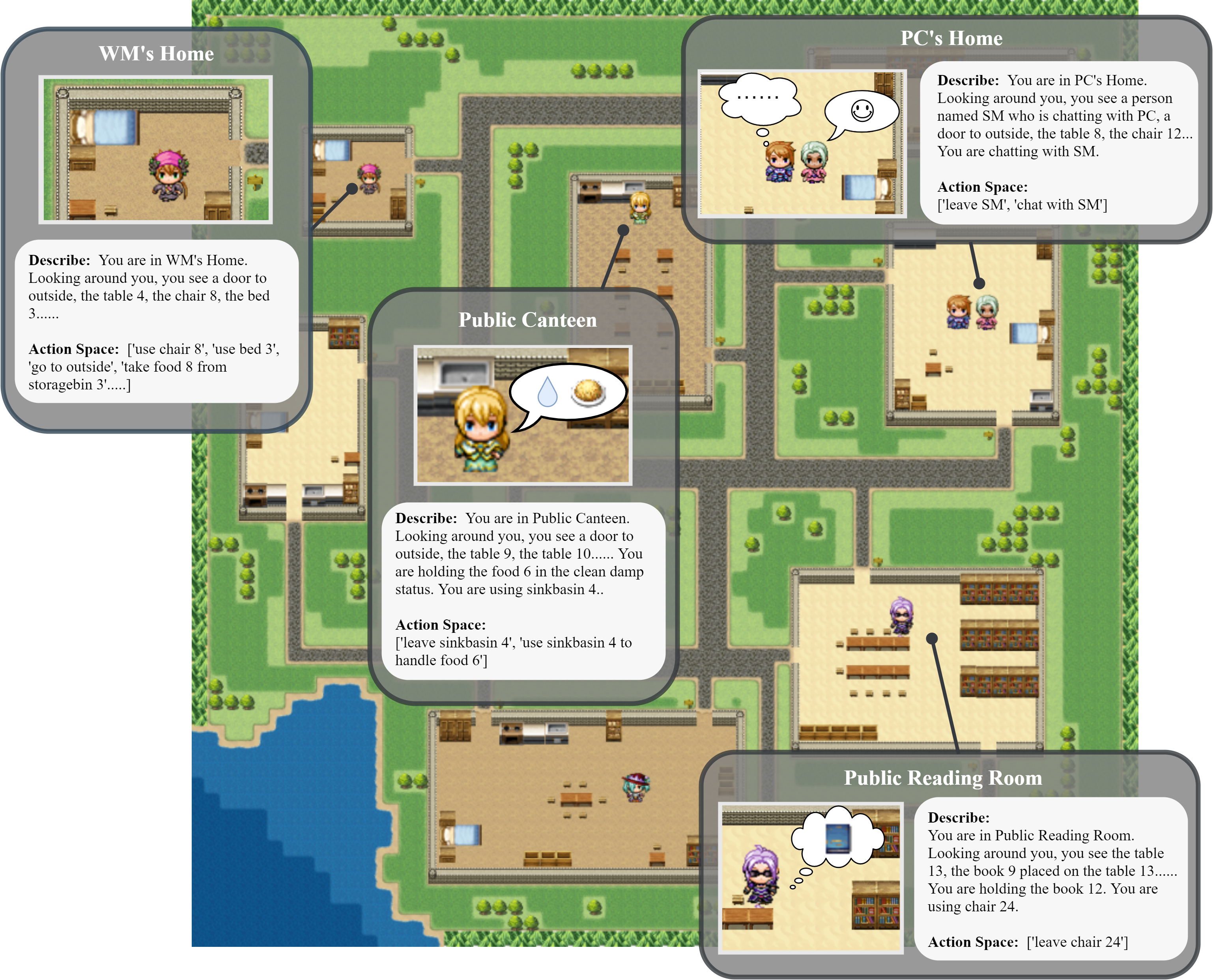
Generative agents have demonstrated impressive capabilities in specific tasks, but most of these frameworks focus on independent tasks and lack attention to social interactions. We introduce a generative agent architecture called ITCMA-S, which includes a basic framework for individual agents and a framework called LTRHA that supports social interactions among multi-agents. This architecture enables agents to identify and filter out behaviors that are detrimental to social interactions, guiding them to choose more favorable actions. We designed a sandbox environment to simulate the natural evolution of social relationships among multiple identity-less agents for experimental evaluation. The results showed that ITCMA-S performed well on multiple evaluation indicators, demonstrating its ability to actively explore the environment, recognize new agents, and acquire new information through continuous actions and dialogue. Observations show that as agents establish connections with each other, they spontaneously form cliques with internal hierarchies around a selected leader and organize collective activities. |
|
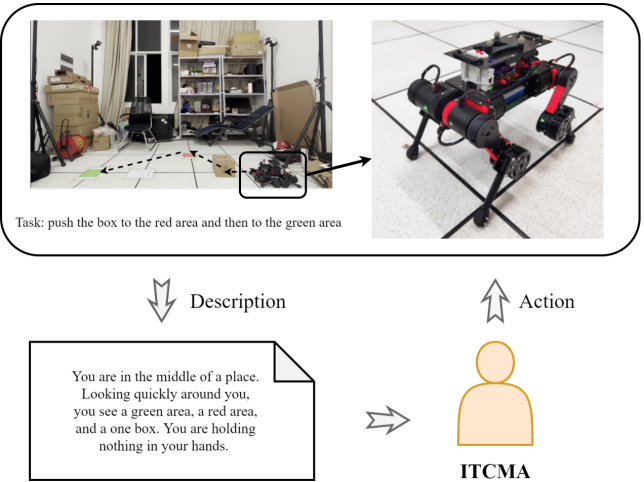
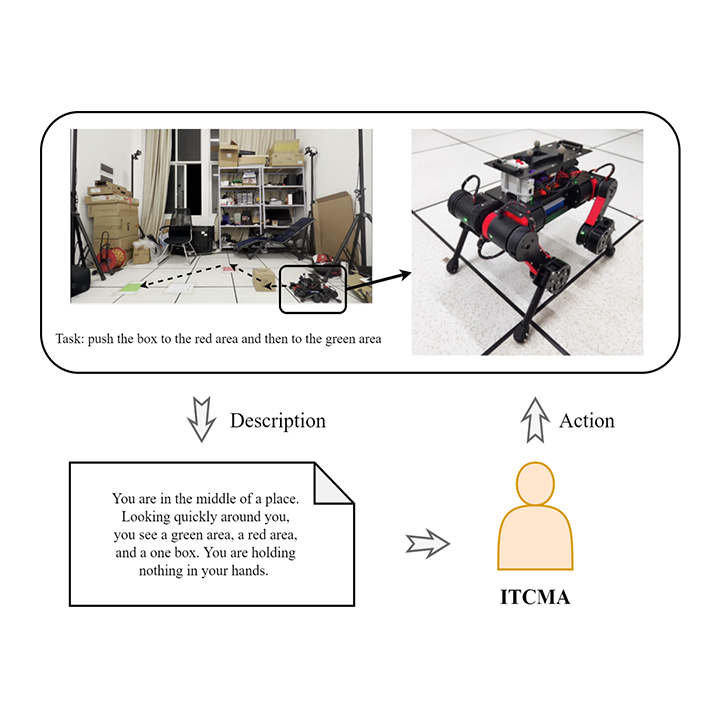
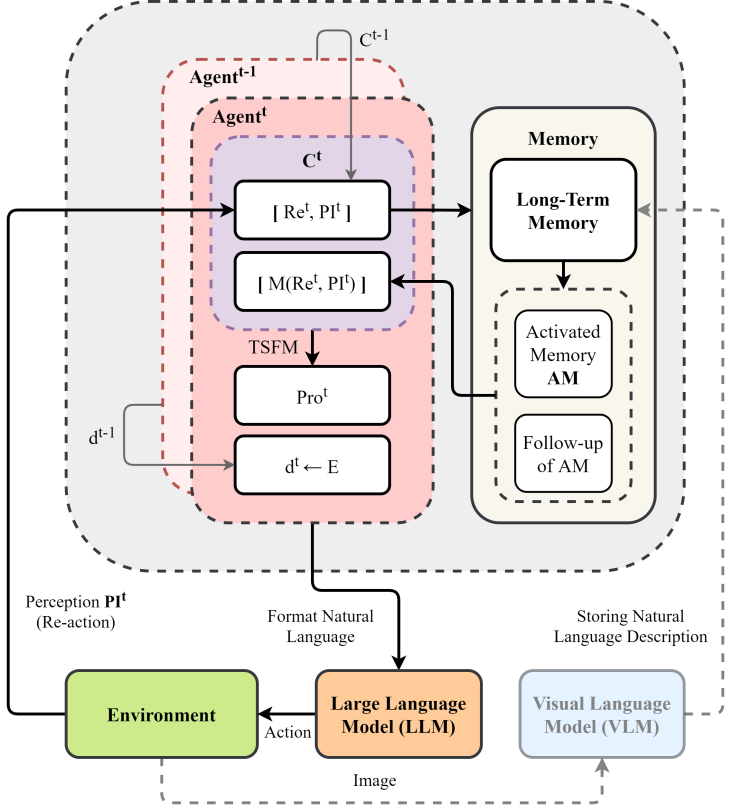
Large Language Models (LLMs) still face challenges in tasks requiring understanding implicit instructions and applying common-sense knowledge. In such scenarios, LLMs may require multiple attempts to achieve human-level performance, potentially leading to inaccurate responses or inferences in practical environments, affecting their long-term consistency and behavior. This paper introduces the Internal Time-Consciousness Machine (ITCM), a computational consciousness structure. We further propose the ITCM-based Agent (ITCMA), which supports behavior generation and reasoning in open-world settings. ITCMA enhances LLMs' ability to understand implicit instructions and apply common-sense knowledge by considering agents' interaction and reasoning with the environment. Evaluations in the Alfworld environment show that trained ITCMA outperforms the state-of-the-art (SOTA) by 9% on the seen set. Even untrained ITCMA achieves a 96% task completion rate on the seen set, 5% higher than SOTA, indicating its superiority over traditional intelligent agents in utility and generalization. In real-world tasks with quadruped robots, the untrained ITCMA achieves an 85% task completion rate, which is close to its performance in the unseen set, demonstrating its comparable utility in real-world settings. |
|
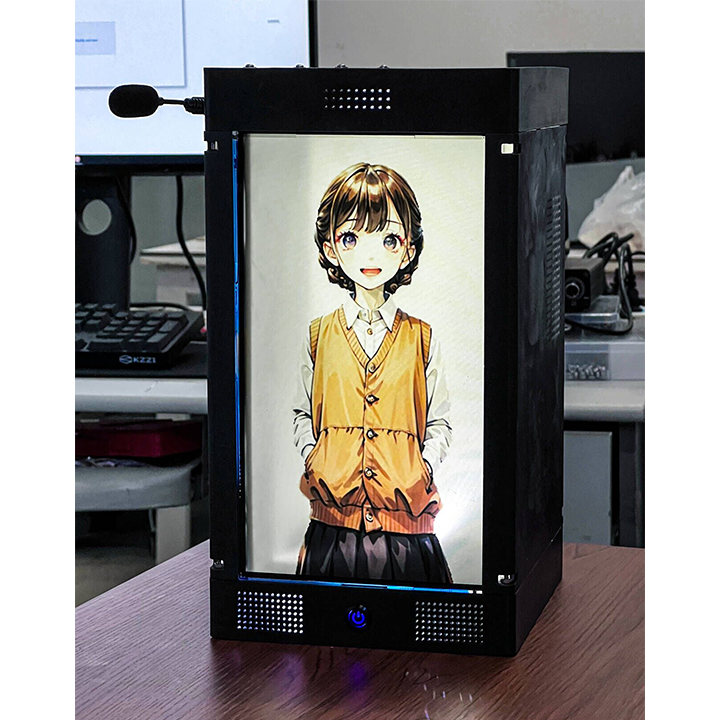
Interactions between human beings and digital humans have become a new network phenomenon, and these relationships have gradually become a topic of research. There is still a lack of sufficient research on whether and what kind of attachment relationship exists in these situations. Based on this problem, in this study, a digital human was designed that was oriented to social software and put into chat groups for interaction and research. A questionnaire survey, case analysis, and netnography analysis were used to collect and examine relevant data. The study found a correlation between the type of attachment of users and the degree of attachment to the digital human. In addition, users who were heavily dependent on the network were more likely to try to complete their attachment with the digital human. Attachment with the digital human was able to calm the users’ emotional intensity. This attachment was considered as close to a skewed desire projection. Through the intermediary of a digital human, Internet users have been better able to fulfill some of their own desires. |
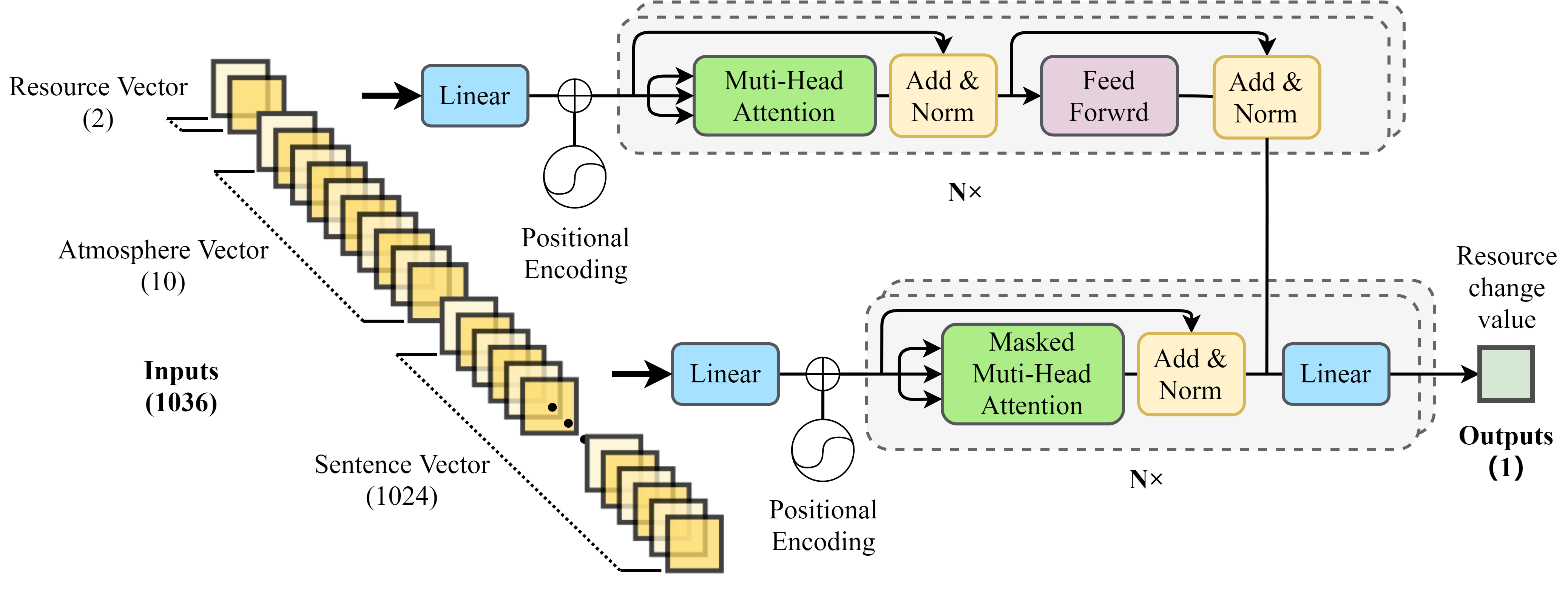
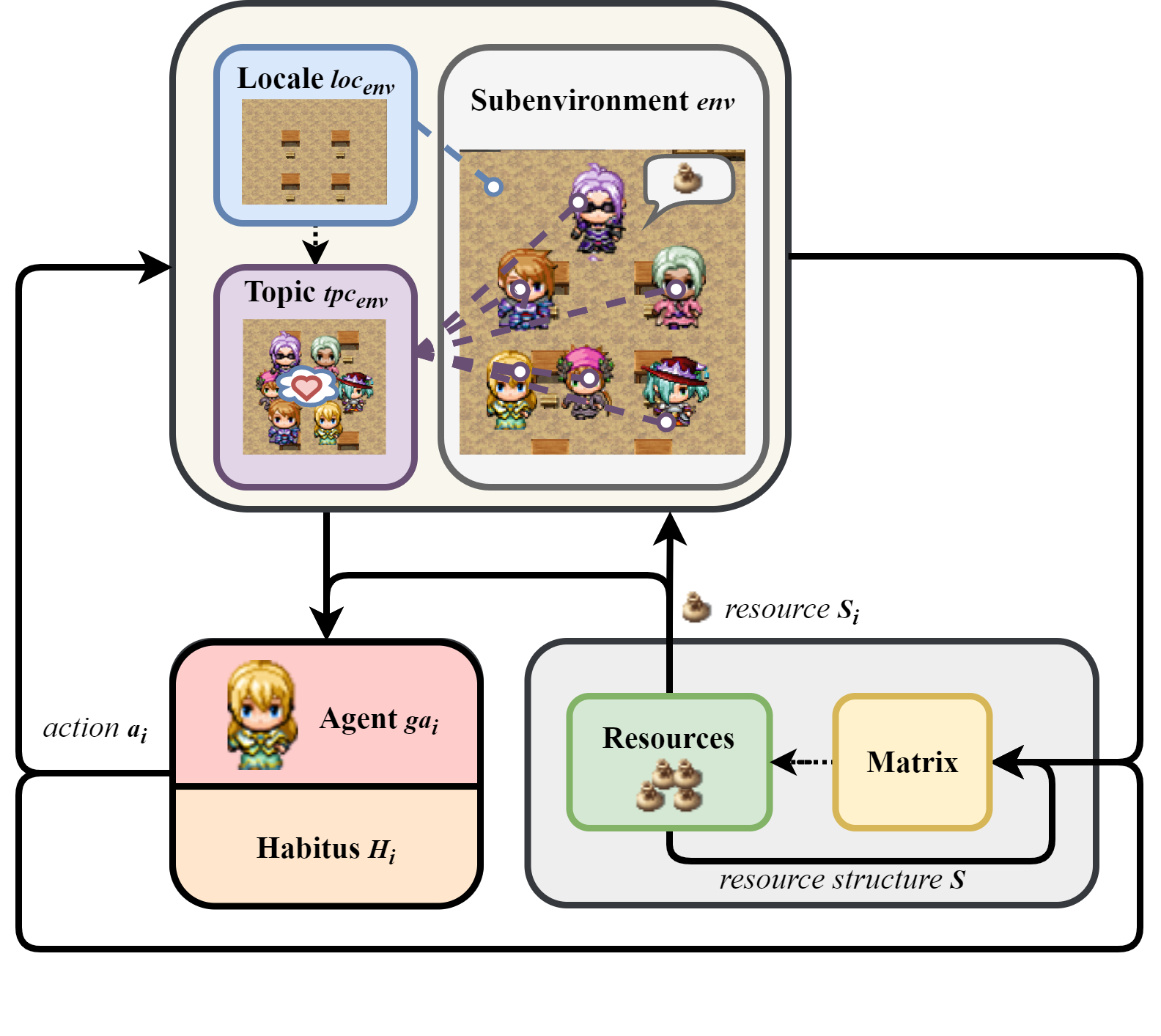
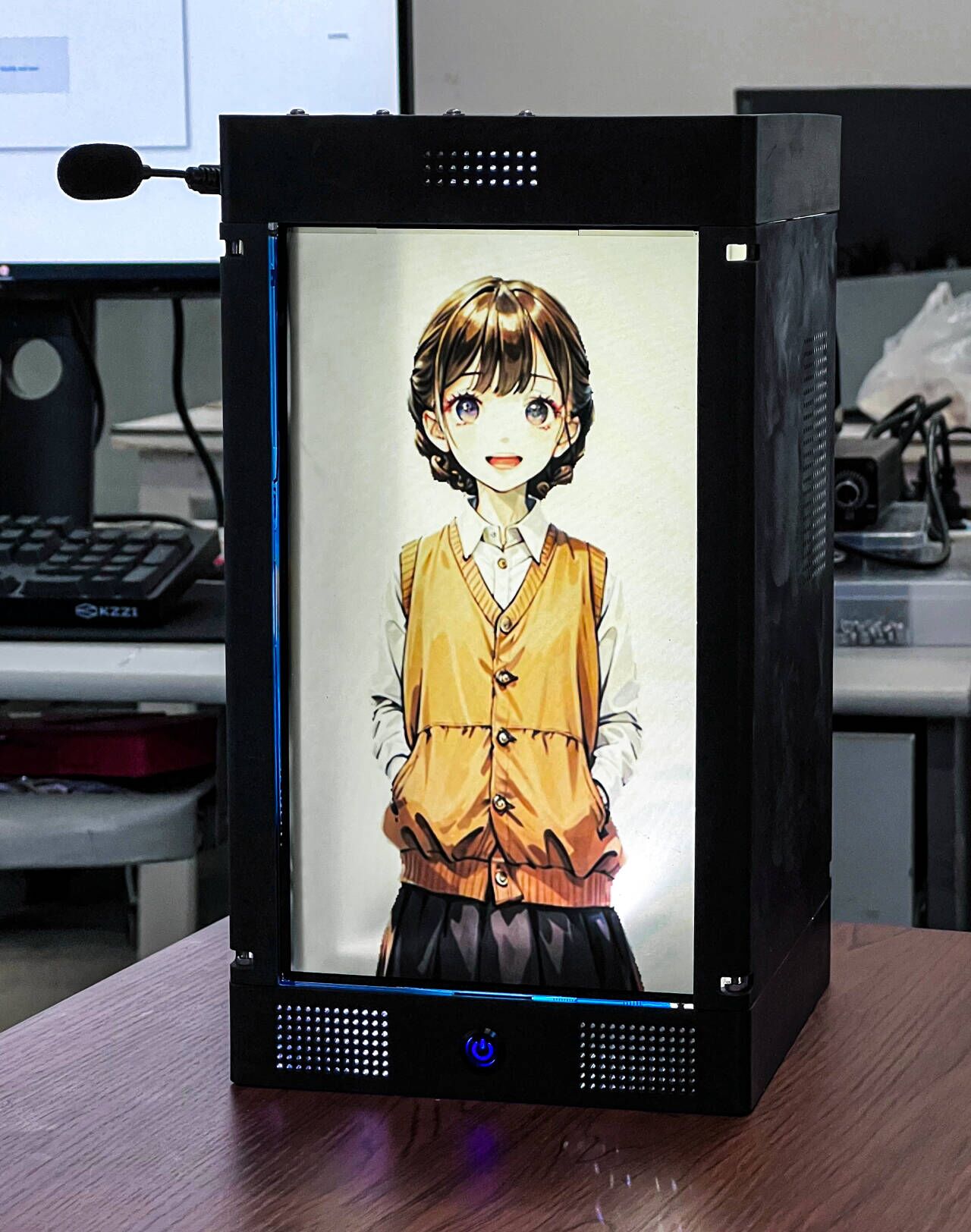
This paper proposes a social regulation model for dynamic adaptation according to user characteristics in virtual interactive environments, namely the tribal theater model. The model focuses on organizational regulation and builds an interaction scheme with more resilient user performance by improving the subjectivity of the user. This paper discusses the sociological theoretical basis of this model and how it was migrated to an engineering implementation of a virtual interactive environment. The model defines user interactions within a field that are regulated by a matrix through the allocation of resources. To verify the effectiveness of the tribal theater model, we designed an experimental scene using a chatroom as an example. We trained the matrix as an AI model using a temporal transformer and compared it with an interaction field with different levels of control. The experimental results showed that the tribal theater model can improve users’ interactive experience, enhance resilient user performance, and effectively complete environmental interaction tasks under rule-based interaction.
|
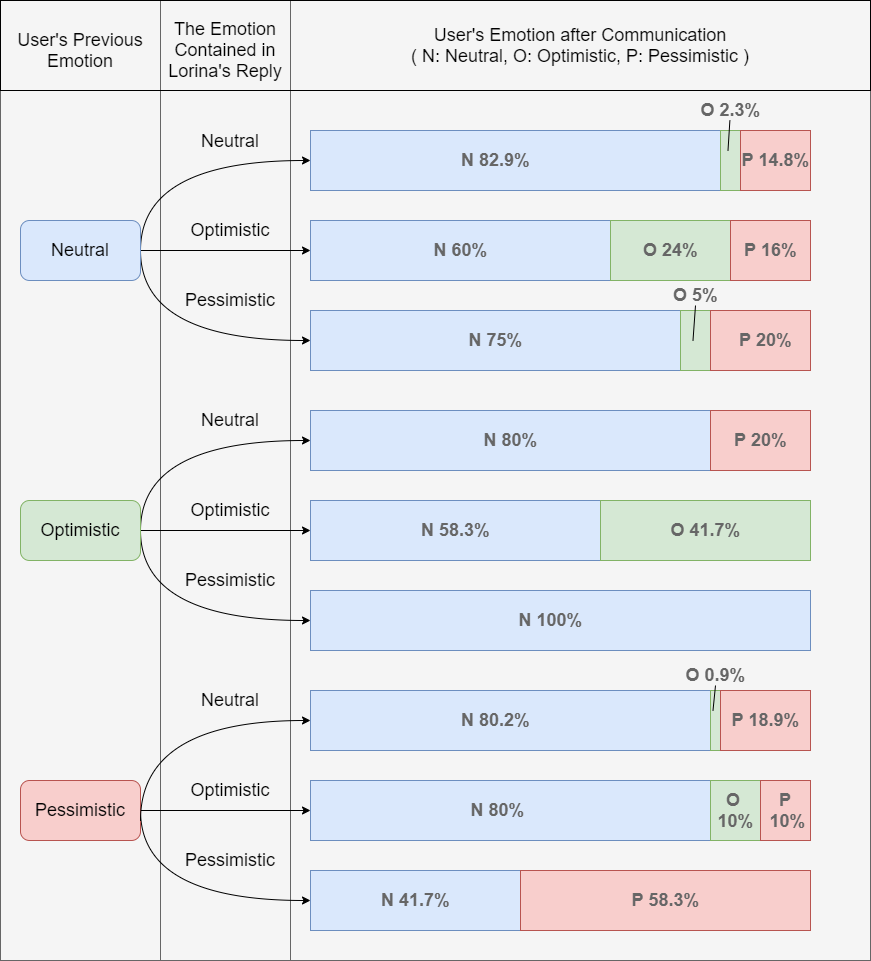
Conversational artificial intelligence can already independently engage in brief conversations with clients with psychological problems and provide evidence-based psychological interventions. The main objective of this study is to improve the effectiveness and credibility of the large language model in psychological intervention by creating a specialized agent, the VCounselor, to address the limitations observed in popular large language models such as ChatGPT in domain applications. We achieved this goal by proposing a new affective interaction structure and knowledge-enhancement structure. In order to evaluate VCounselor, this study compared the general large language model, the fine-tuned large language model, and VCounselor's knowledge-enhanced large language model. At the same time, the general large language model and the fine-tuned large language model will also be provided with an avatar to compare them as an agent with VCounselor. The comparison results indicated that the affective interaction structure and knowledge-enhancement structure of VCounselor significantly improved the effectiveness and credibility of the psychological intervention, and VCounselor significantly provided positive tendencies for clients' emotions. The conclusion of this study strongly supports that VConselor has a significant advantage in providing psychological support to clients by being able to analyze the patient's problems with relative accuracy and provide professional-level advice that enhances support for clients. |
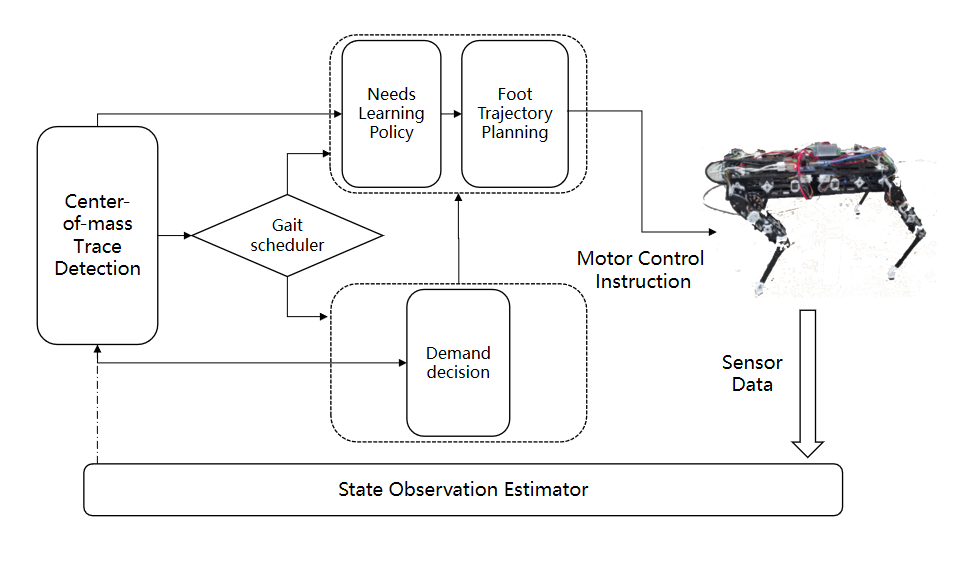
Based on Maslow’s hierarchy of needs theory, we have proposed a novel machine learning algorithm that combines factors of the environment and its own needs to make decisions for different states of an agent. This means it can be applied to the gait generation of a quadruped robot, which needs to make demand decisions. To evaluate the design, we created an experimental task in order to compare the needs learning algorithm with a reinforcement learning algorithm, which was also derived from psychological motivation theory. It was found that the needs learning algorithm outperformed the reinforcement learning in tasks that involved making decisions between different levels of needs. Finally, we applied the needs learning algorithm to the problem of stable gait generation of quadruped robot, and it had achieved good results in simulation and real robot.
|
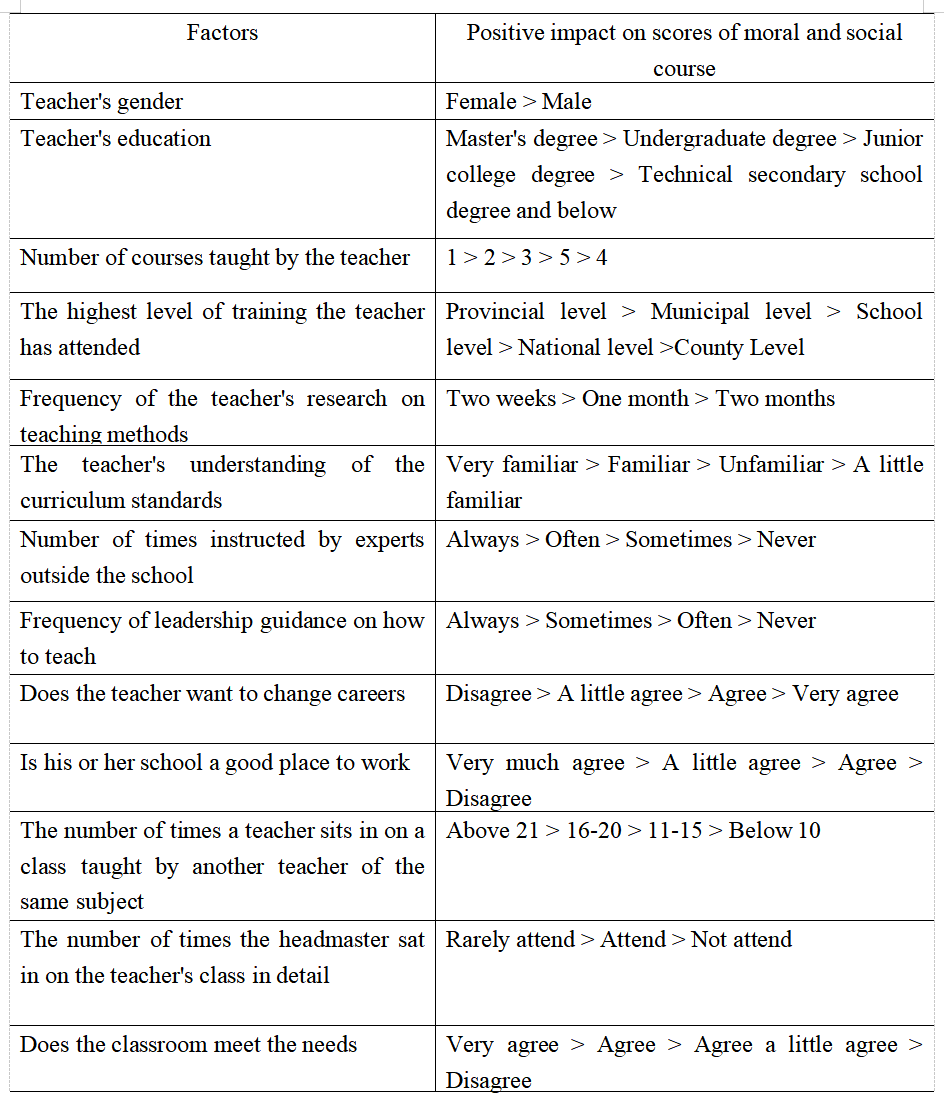
Taking the influence of various factors on the teaching effect of moral and social courses of primary school students as the research content, a unified examination was conducted on third-grade students from 413 primary schools in Kunming, and 1270 valid questionnaires were obtained from their teachers. A questionnaire for teachers was innovatively designed with 52 dimensions, and the data were analyzed using the SPSS big data analysis platform to find the most influential factors in the teaching and learning of moral and social courses and to propose suggestions for improving the teaching effectiveness of moral and social courses. |
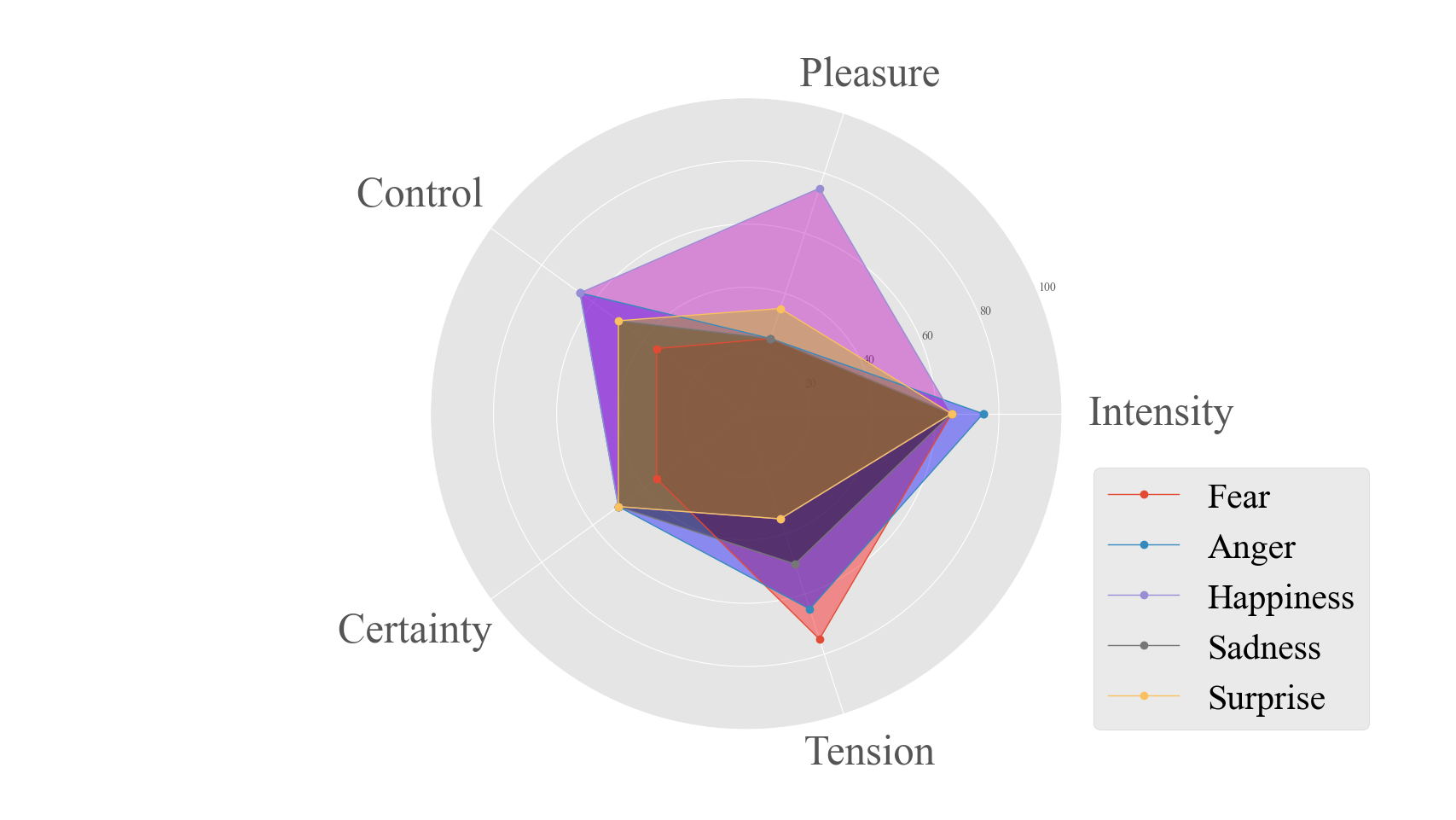
Based on basic emotion theory and the PAD emotion model that can describe continuous emotion changes, we first propose a more general concept of a five-dimensional emotion model to better meet the needs in the area of emotion recognition. We determined the relationship between its dimensions and basic emotions, and used a Pearson correlation analysis, multi-layer perceptron, and other methods to compare and verify it with volunteer human identifiers. The results demonstrated that the five-dimensional Emotion model was better than human identification in the field of emotion recognition. We also compared it with the PAD emotion model. The results demonstrated that the five-dimensional emotion model performed better. Finally, using the proposed model, we designed a technology prototype of a mood adaptive interface to demonstrate its potential application.
Skills Python, Java, JavaScript, C, C#, C++, SQL. Interdisciplinarity Computer Science, Psychology, Sociology, and Philosophy. Hobbies Photography, Reading, Literary Writing, and Musicals.
Awarded by Ministry of Industry and Information Technology of China
2024 Awarded by Education Department of Yunnan Province, China
2023 Awarded by Ministry of Education of China
2022 Awarded by Kunming University of Science and Technology
The 13th China University Computer Design Competition
Python Group, The 11th Lanqiao Cup China Software and Information Technology Professionals Competition